
Our history
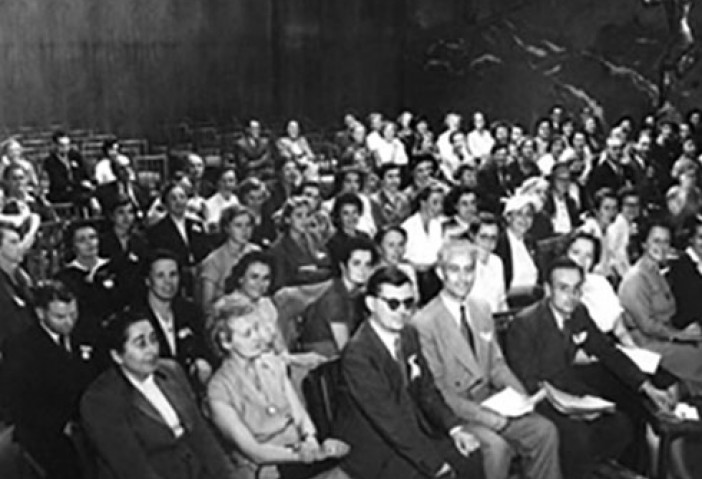
Founded in 1951 by 11 national physiotherapy associations as World Confederation for Physical Therapy, World Physiotherapy now represents more than 600,000 physiotherapists worldwide through its 128 member organisations.
Member organisation from Serbia admitted
Following an electronic vote, the following national
2024
Member organisations from Angola, Guatemala, North Macedonia, Oman, Portugal, and Sierra Leone admitted
Following an electronic vote, the following national
2023
Member organisation from Yemen admitted
Following an electronic vote, the following national physiotherapy association was admitted:
2022
Member organisations from Dominican Republic, Palestine, and Vietnam admitted
Following an electronic vote, the following national physiotherapy associations were admitted:
2021

World Physiotherapy
WCPT rebrands as World Physiotherapy
2020
Member organisations from France and Romania admitted
Following an electronic vote, the following national physiotherapy associations were admitted:
2020
13 member organisations admitted
At the 19th general meeting in Geneva in May 2019, 13 national physiotherapy associations were admitted.
- Bhutan Society of Physiotherapy
- Physical Therapy Commission of the Therapist Guild of Costa Rica
- Georgian Association of Physical Therapy and Rehabilitation
- Haitian Physiotherapy Society
- Association Ivoirienne des Masseurs-Kinésithérapeutes
- Chamber of Physiotherapists of Kosovo
- Association des Kinésithérapeutes de Madagascar
- Association des Kinesitherapeutes du Mali
- National Fédération of Physiothérapeute in Morocco
- Myanmar Physiotherapy Association
- Papua New Guinea Physiotherapy Association
- Association Sénégalaise des Kinesithérapeutes - Rééducateurs
- Sudanese Physiotherapy Association
2019
New constitution

A new constitution is unanimously approved at the 19th general meeting in Geneva in May 2019. Delegates at the meeting also approved a motion on climate change, a policy statement on diversity and inclusion, and an endorsement of ethical principles of health care in times of armed conflict and other emergencies. Three new subgroups were also approved: International Organisation of Aquatic Physical Therapists (IOAPT), International Federation of Physical Therapists working in Occupational Health and Ergonomics (IFPTOHE), and International Physical Therapy for HIV/AIDS, Oncology, Hospice and Palliative Care (IPT-HOPE).
2019
First congress in Africa
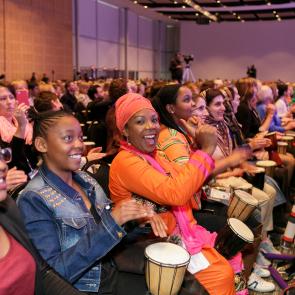
Cape Town was the location for WCPT's first congress in Africa
2017
Singapore hosts 18th general meeting
At the 18th general meeting in Singapore, nine national physiotherapy associations were admitted:
- Albanian Association of Physiotherapists
- Association Beninoise des Kinesitherapeutes - Reeducateurs
- Association of Physiotherapists in Bosnia and Herzegovina
- Congo Physical Therapists Union
- Mongolian Physical Therapy Association
- Physiotherapists' Association of Montenegro
- Nigerien Physiotherapy Association
- Physiotherapy Association of Saint Lucia
- Togolese Physiotherapists' Association
2015
17th general meeting takes place in Amsterdam
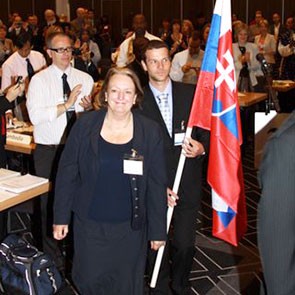
Amsterdam was the location for the 17th general meeting, where the following national physiotherapy associations were admitted:
2011
Membership reaches 100
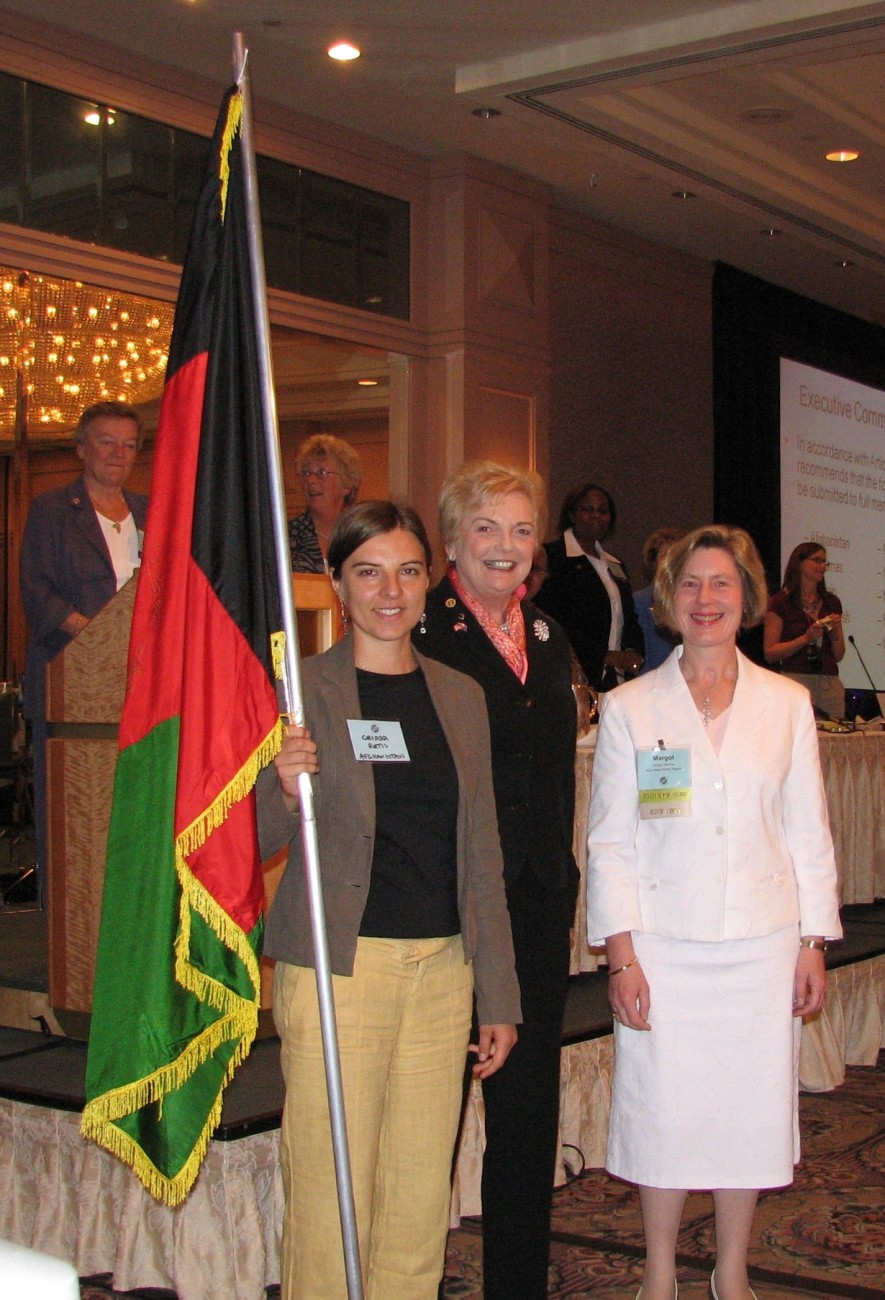
At the 16th general meeting in Vancouver, Canada, these national physiotherapy associations brought the membership to 100:
- Afghan Physical Therapy Association
- Bahamas Association of Physiotherapists
- Bahrain Physical Therapy Association
- Bangladesh Physiotherapy Association
- Physiotherapists' Association of Brazil
- Cambodian Physical Therapy Association
- Guyana Physiotherapy Association
- Rwanda Physical Therapy Organisation
- Emirates Physiotherapy Society
2007
Barcelona hosts 15th general meeting
The following national physiotherapy associations were admitted at the 15th general meeting in Barcelona, Spain:
2003
First general meeting in north Asia
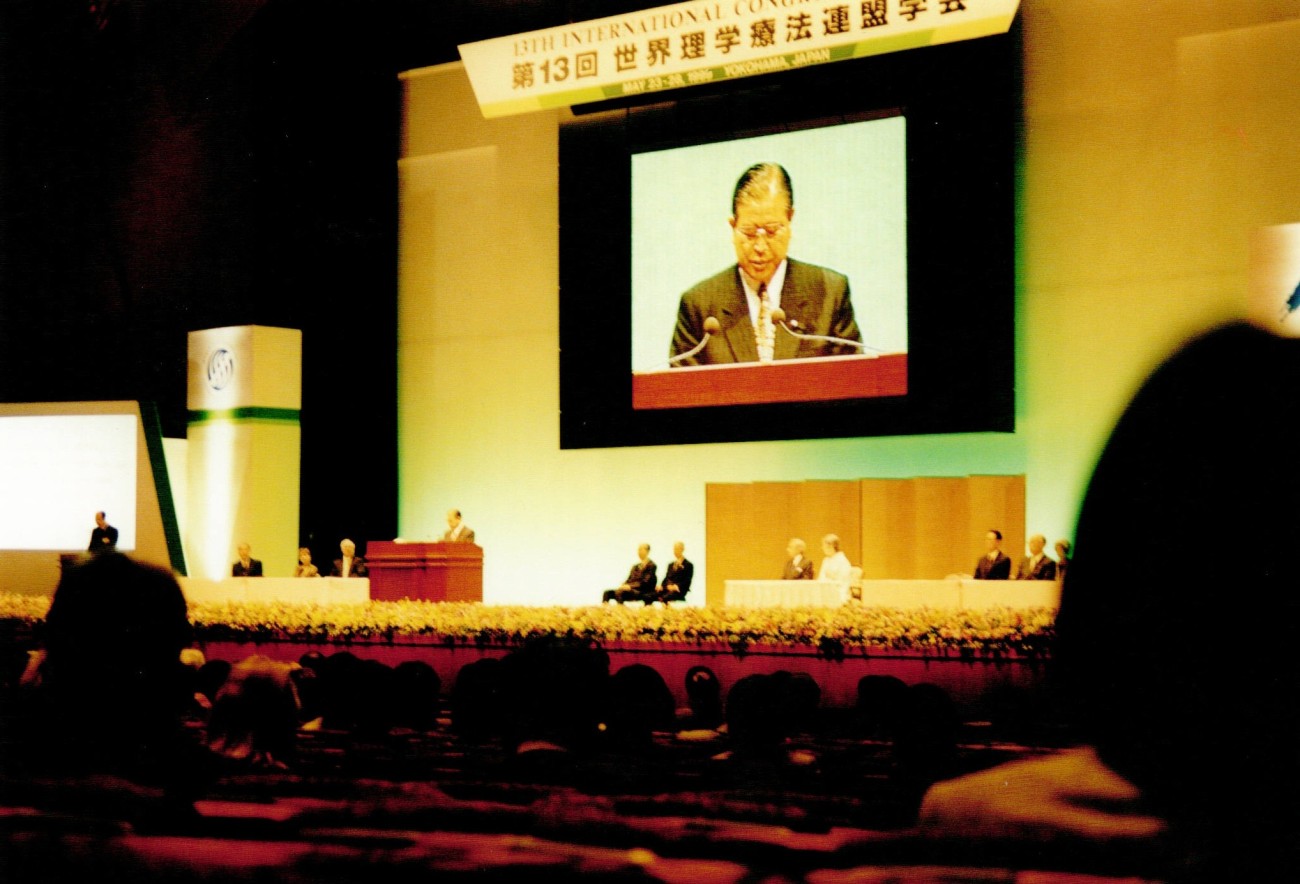
The 14th general meeting took place in Yokohama, Japan. These national physiotherapy associations were admitted:
- Cameroon Society of Physiotherapy
- Croatian Council of Physiotherapists
- Estonian Kinesitherapy Association
- Eswatini Physiotherapy Association
- Ethiopian Physiotherapists Association
- Ghana Physiotherapy Association
- Kuwaiti Physical Therapy Association
- Latvian Physiotherapists' Association
- Lithuanian Physiotherapy Association
- Physiotherapy Association of Malawi
- Malta Association of Physiotherapists
- Peruvian Association of Physiotherapy
- Physiotherapy Association of Trinidad and Tobago
1999
13th general meeting takes place in Washington
Washington DC, US, was the location for the 13th general meeting where the following national physiotherapy associations were admitted:
- Bermuda Physiotherapy Association
- Bulgarian Association of Physiotherapists
- Union of Physiotherapists of the Czech Republic
- Fiji Physiotherapy Association
- Association of Hungarian Physiotherapists
- Italian Association of Physiotherapists
- Jordanian Physiotherapy Society
- Physiotherapists' Association of the Principality of Liechtenstein
- Namibian Society of Physiotherapy
- Slovenian Association of Physiotherapists
- Association of Physiotherapists in Tanzania
- Uganda Association of Physiotherapy
1995
General meeting returns to London
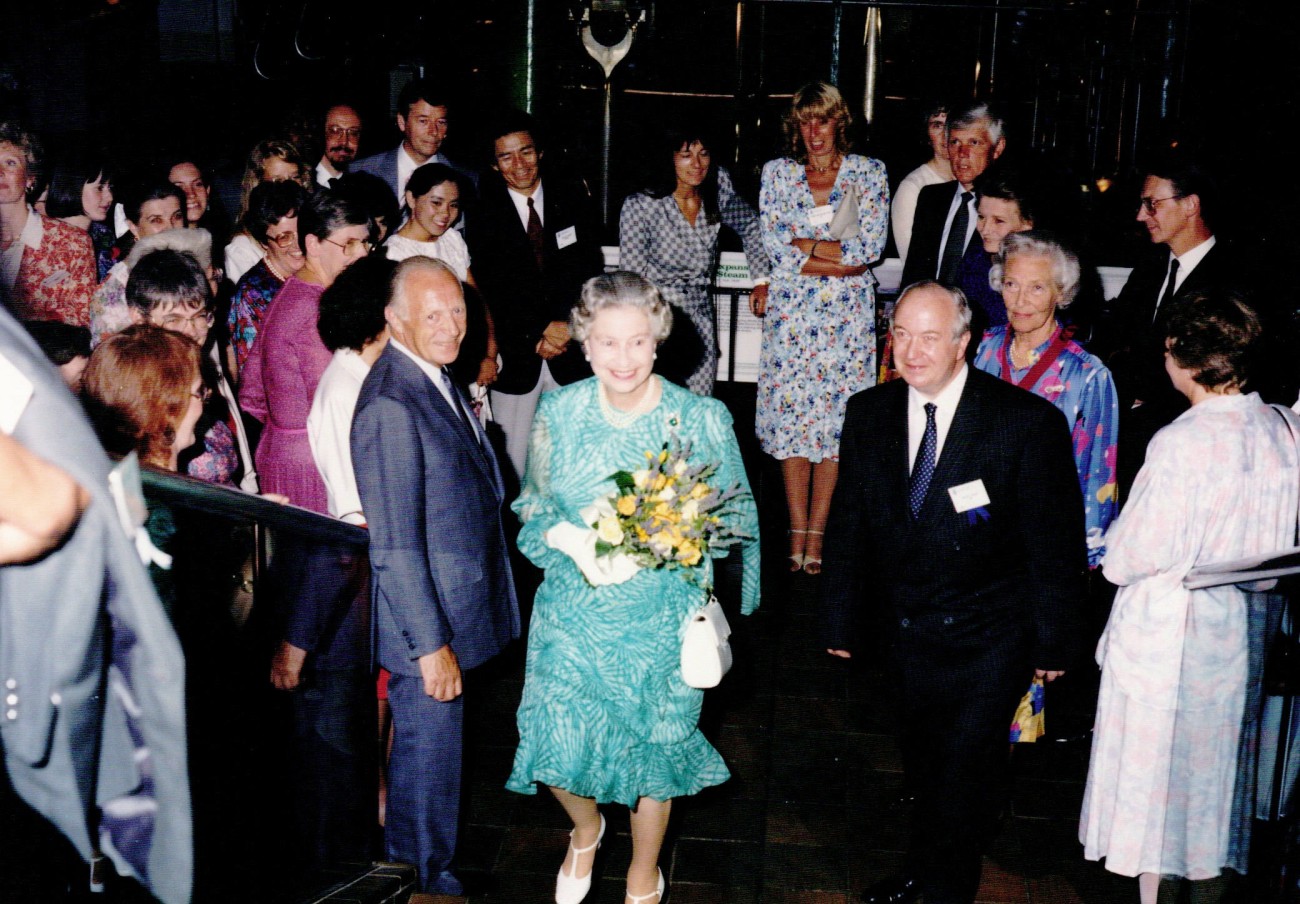
London, UK, was the location, for the second time, the general meeting. The 12th meeting admitted the following national physiotherapy associations:
1991
Meeting inquorate
The 11th general meeting was scheduled to take place in Sydney, Australia. The meeting was inquorate. Participants at the meeting pledged opposition to apartheid and support for physiotherapy colleagues in South Africa.
In 1988 the following national physiotherapy associations were admitted:
1987
Sweden hosts 10th general meeting
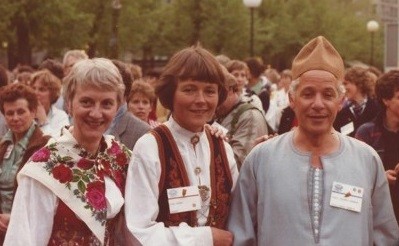
The following national physiotherapy associations were admitted at the 10th general meeting in Stockholm, Sweden:
1982
Israel is location for general meeting
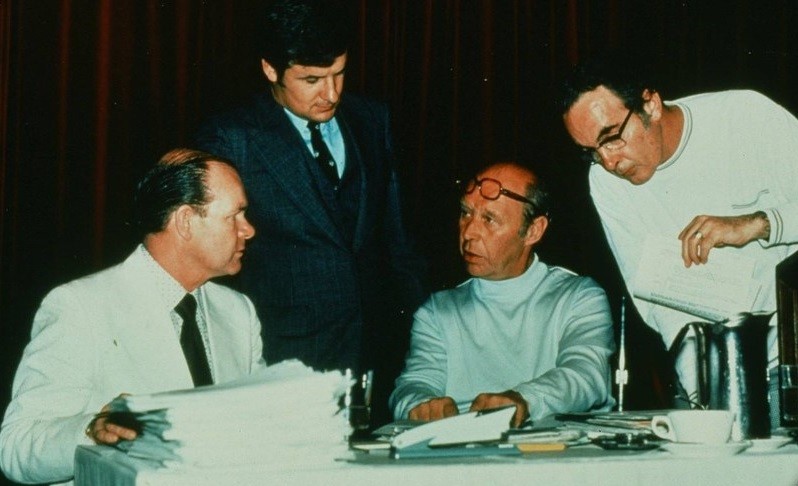
The 9th general meeting took place in Tel Aviv, Israel, where the first subgroup, International Federation of Orthopaedic Manipulative Therapists (IFOMT), is recognised and the following national physiotherapy associations were admitted:
1978
Subgroups established
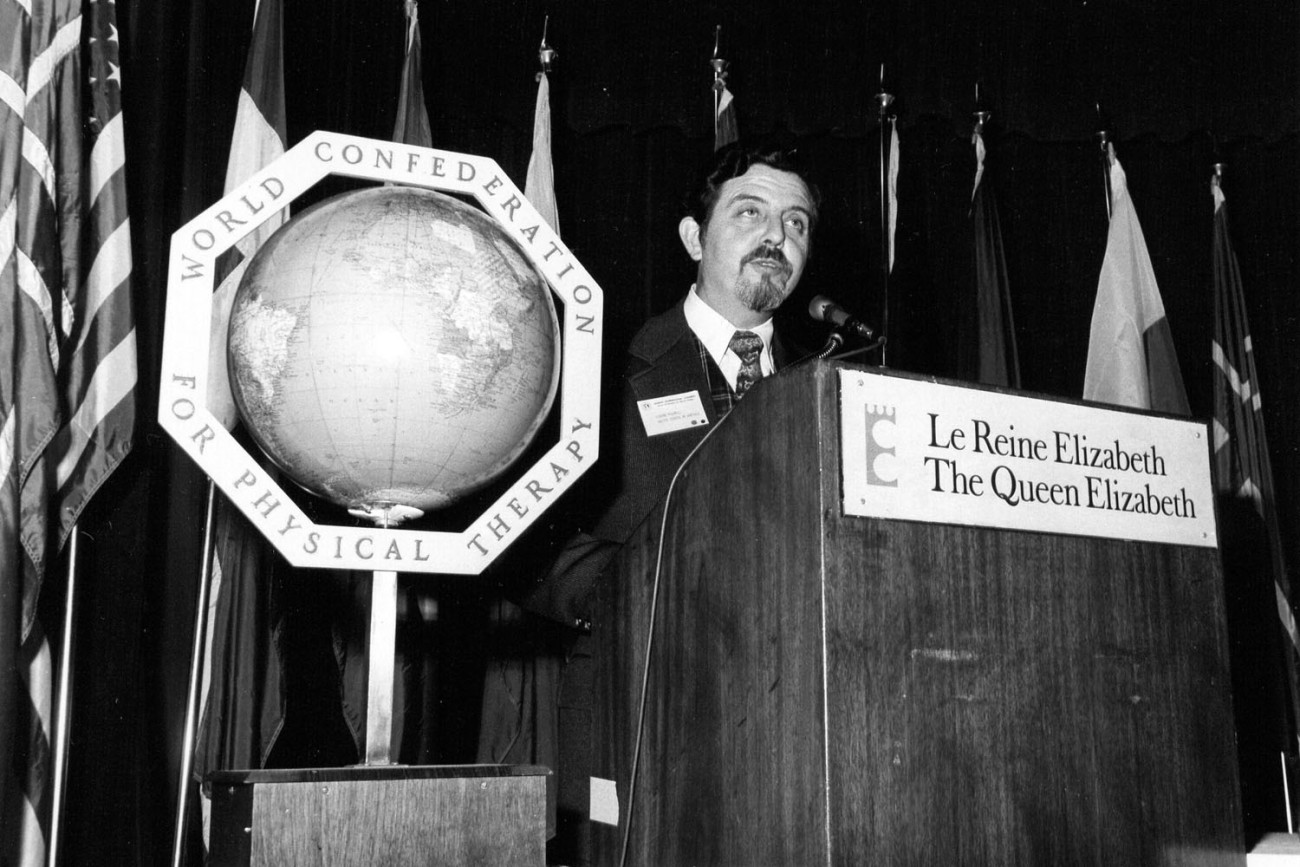
Subgroups are established at the 8th general meeting in Montreal, Canada, and the following national physiotherapy associations admitted:
1974
Amsterdam hosts 7th general meeting
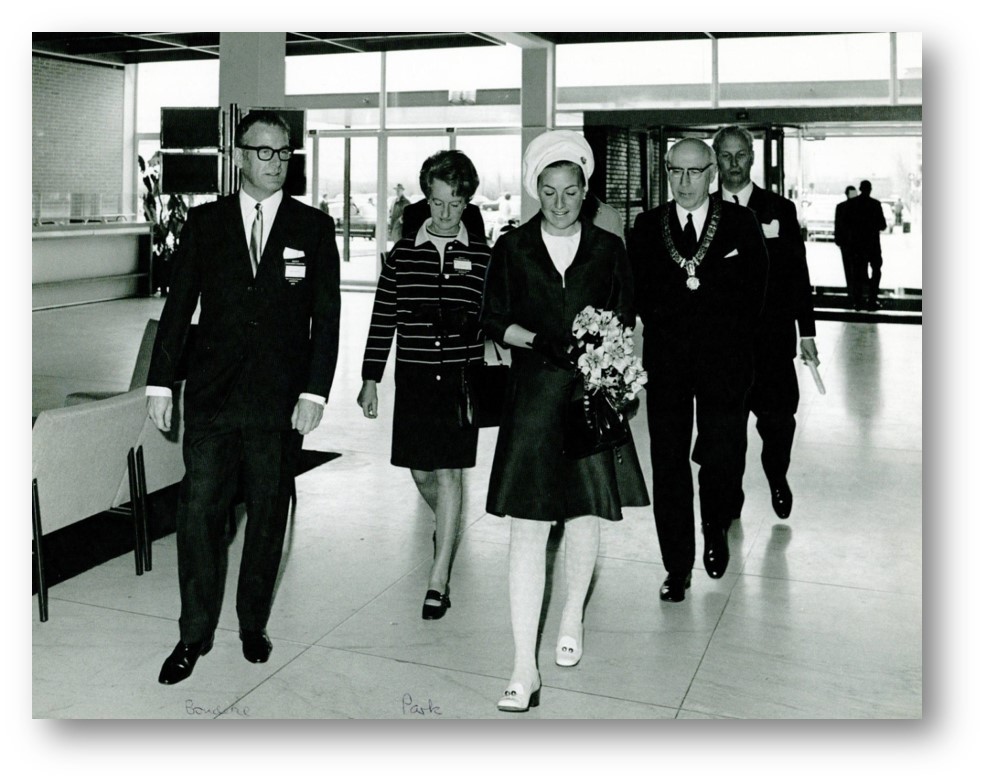
The 7th general meeting took place in Amsterdam, the Netherlands, and the following national physiotherapy associations were admitted:
1970
Australia hosts general meeting for the first time
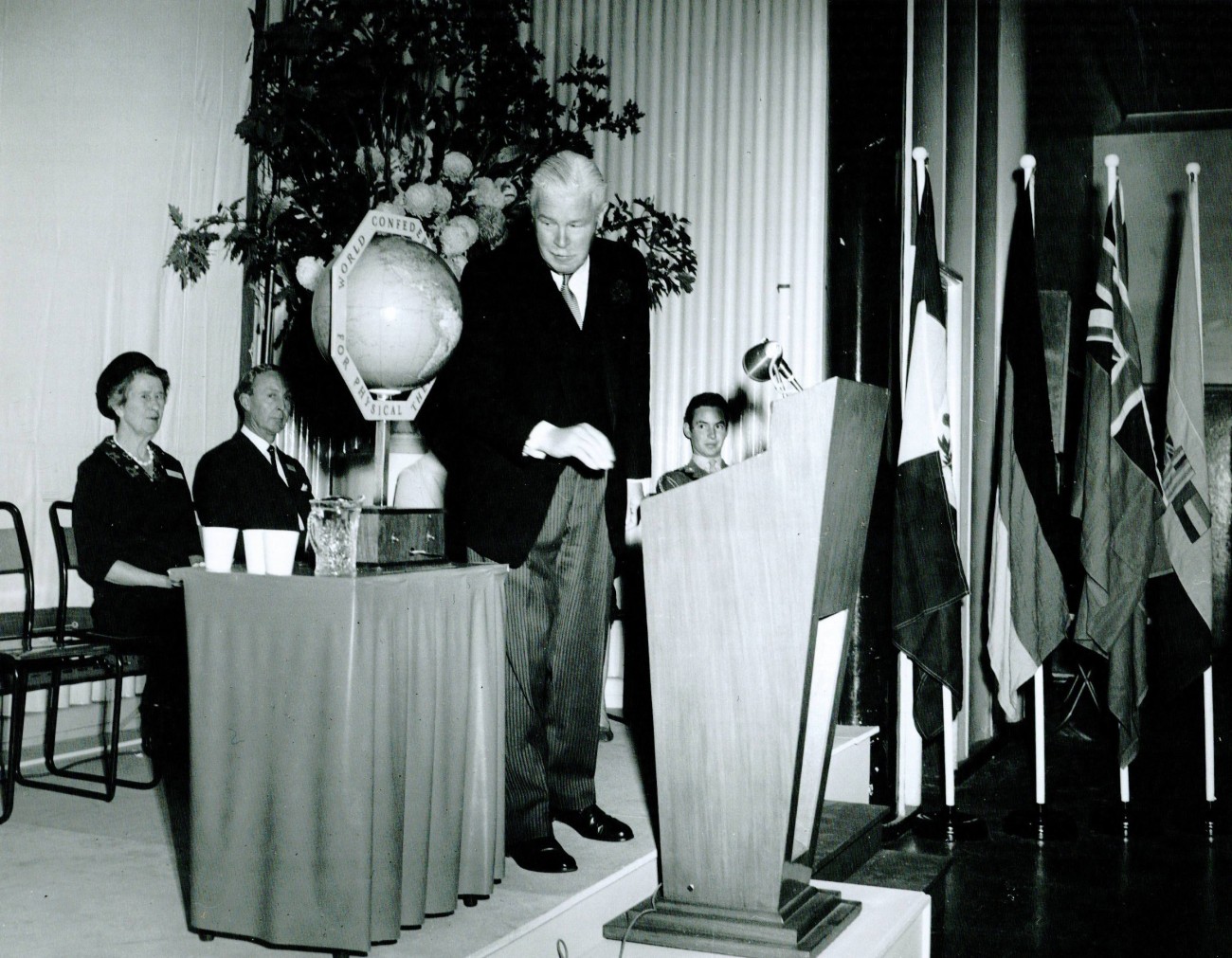
Melbourne, Australia, was the location for the 6th general meeting where the following national physiotherapy associations were admitted:
1967
General meeting returns to Denmark
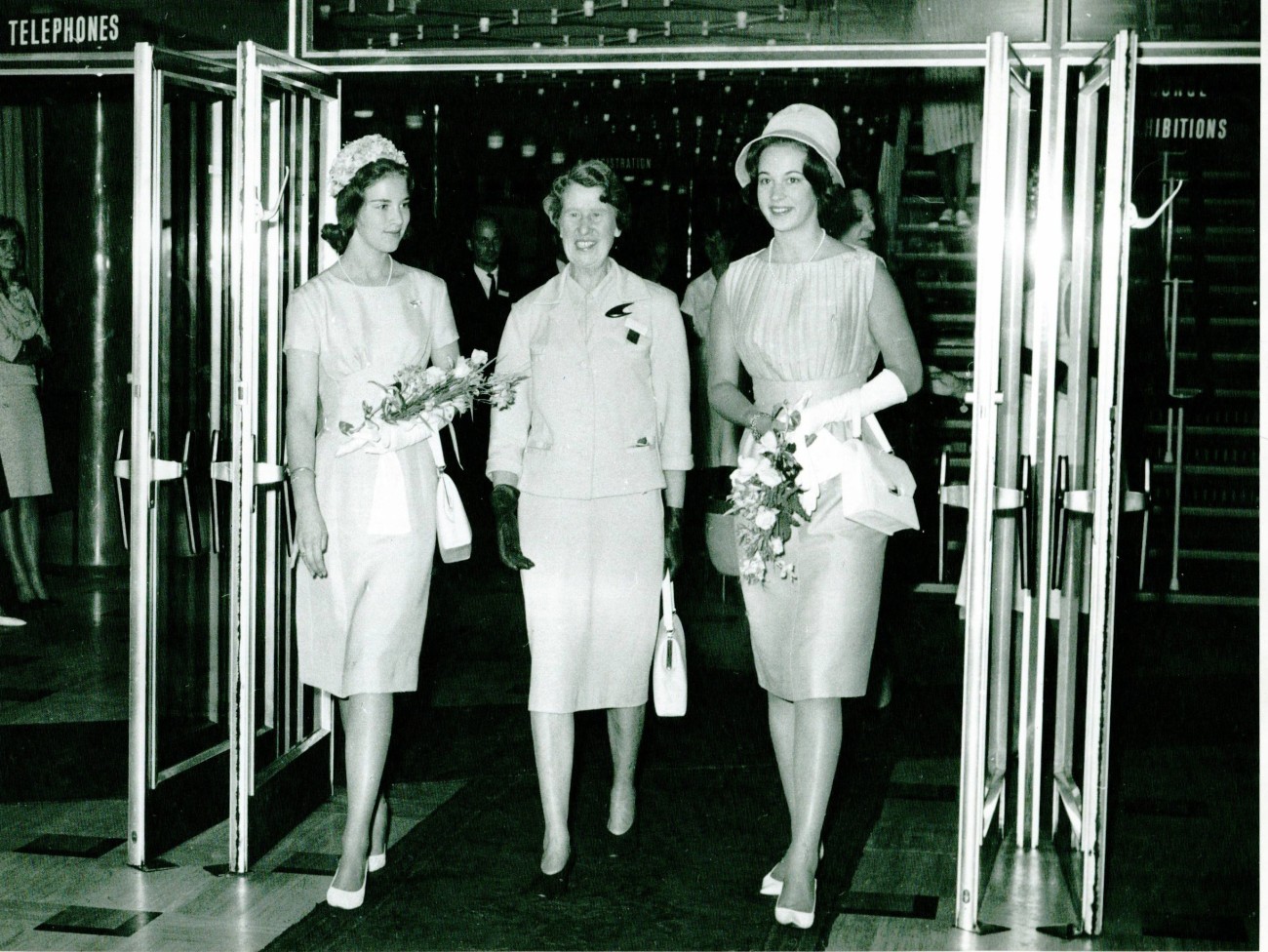
The 5th general meeting took place in Copenhagen, Denmark, where the following national physiotherapy associations were admitted:
1963
First association from South America
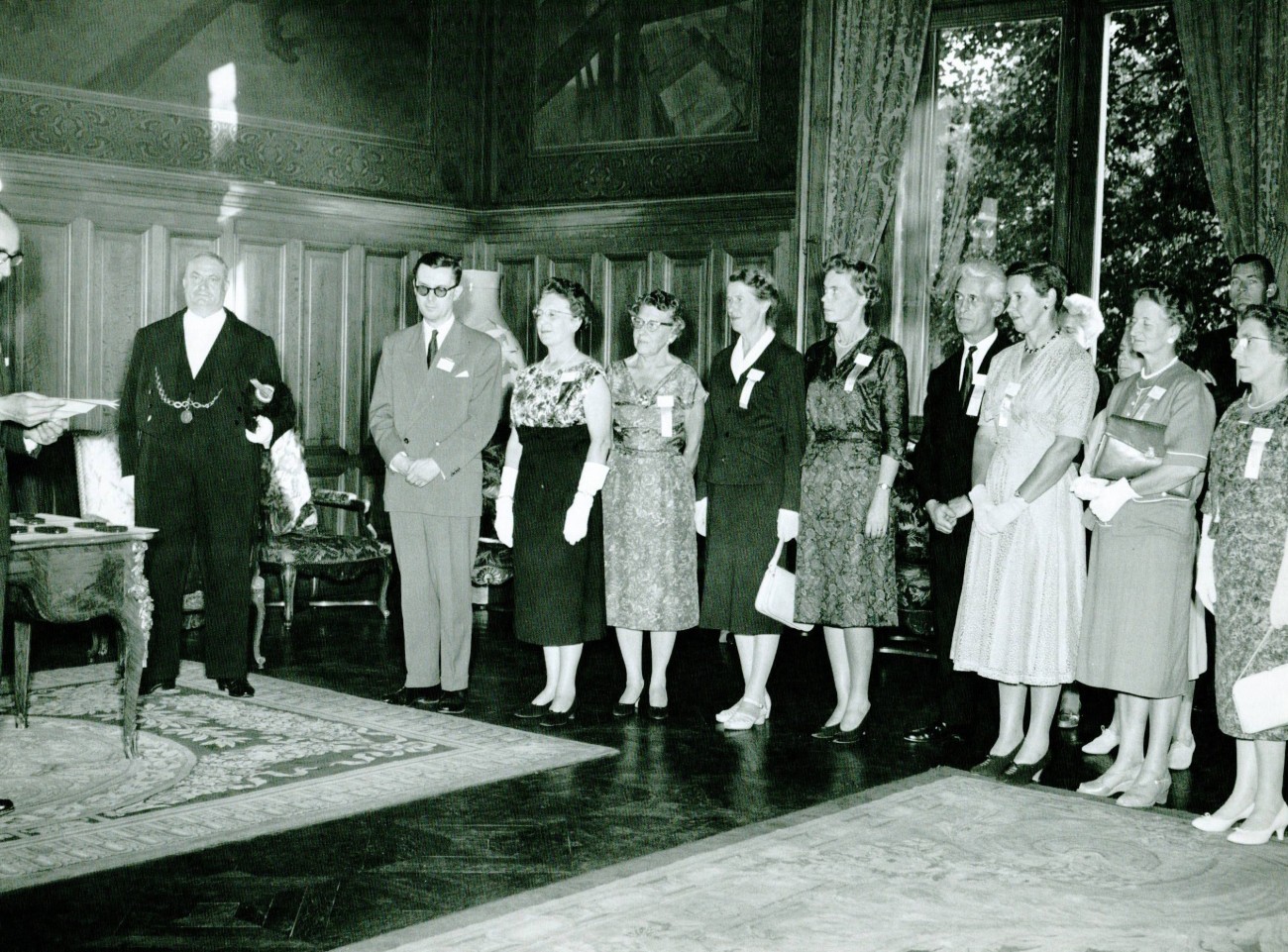
The first national physiotherapy association from South America was admitted at the 4th general meeting in Paris, France:
1959
First general meeting outside Europe
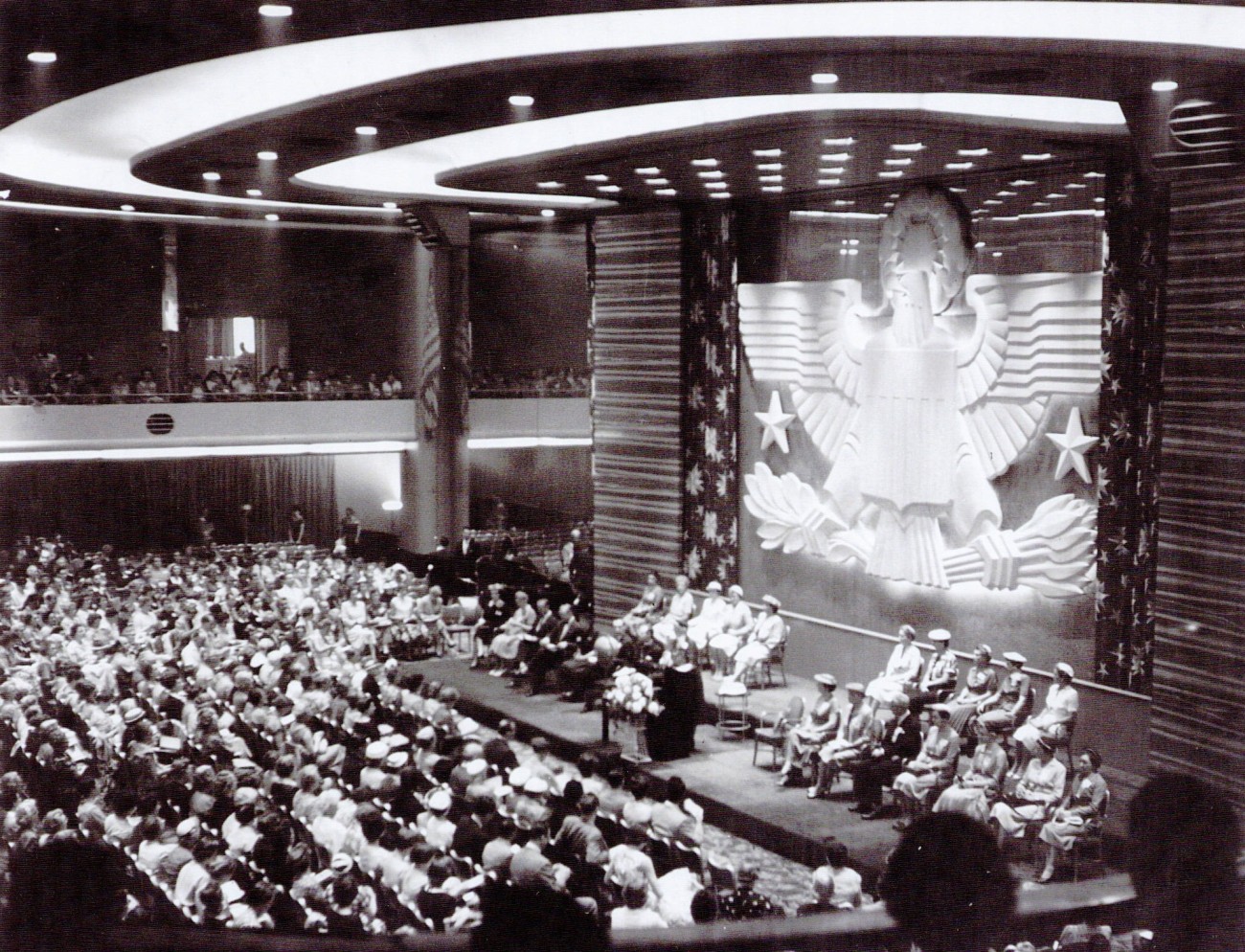
New York, US, was the location for the 3rd general meeting where the following national physiotherapy associations were admitted:
1956

2nd general meeting takes place in London
London, UK, was the location for the 2nd general meeting and the first congress
1953
Founding members
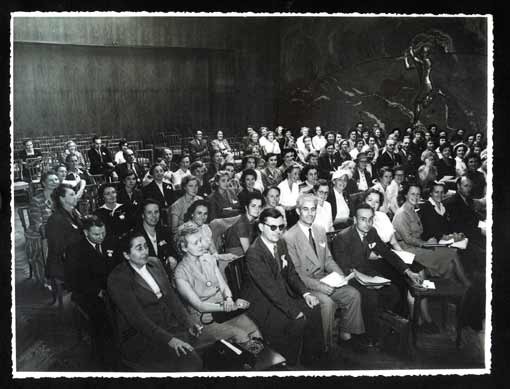
11 national physiotherapy associations found the first global body for physiotherapists, World Confederation for Physical Therapy, and hold the first general meeting in Copenhagen, Denmark
- Australian Physiotherapy Association
- Canadian Physiotherapy Association
- Association of Danish Physiotherapists
- Finnish Association of Physiotherapists
- German Association for Physiotherapy
- Physiotherapy New Zealand
- Norwegian Physiotherapist Association
- South African Society of Physiotherapy
- Swedish Association of Physiotherapists
- Chartered Society of Physiotherapists
- American Physical Therapy Association
1951